
Overview
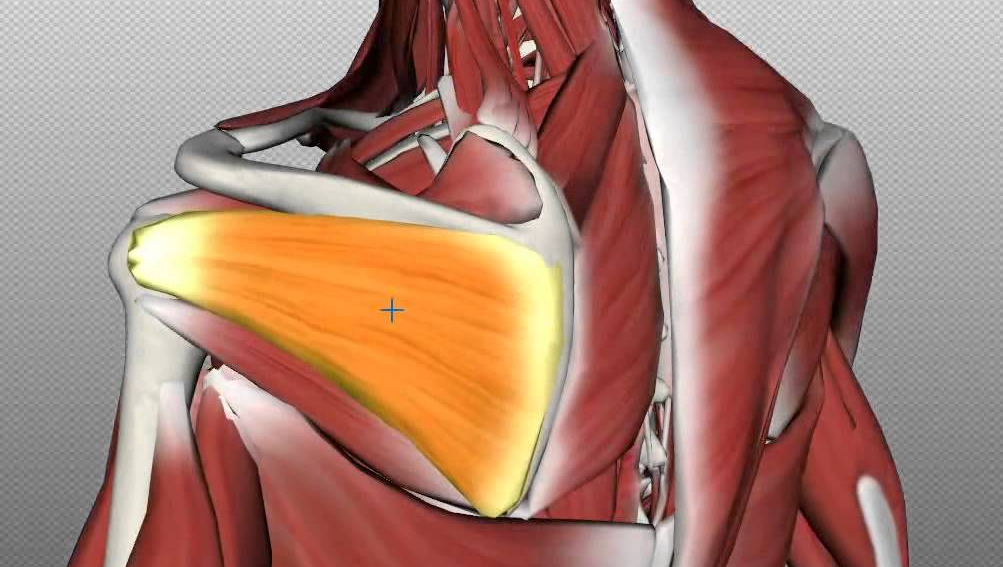
The rotator cuff of the shoulder is composed of four different muscles that support the shoulder
joint. This group of muscles keeps the head of the humerus (upper arm bone) secured within the shallow socket of the shoulder joint. When the rotator cuff tendons are injured they become
irritated or damaged, resulting in pain, weakness and reduced range of motion.
Rotator cuff injuries are common and increase with age, in people who have jobs with overhead
motions such as painters and carpenters. Many people can manage their symptoms and return to activities with physical therapy to improve strength and flexibility; however some patients also
require surgical interventions to help correct the injury.
Symptoms
Rotator cuff injuries can manifest as pain, weakness, and/or range of motion. Pain in rotator cuff
injuries can be described as a deep ache in the shoulder that can also disturb sleep. Rotator cuff injuries will make it difficult for the person to perform any over head motions such as brushing your hair, or reaching behind your back. Patients may also experience weakness when performing specific movements.
Diagnosis
Diagnosis of rotator cuff injuries is primarily through physical exam with your medical provider. X-rays, ultrasound, and MRI are also utilized to help diagnose the extent of rotator cuff injuries.
Treatment
Conservative treatments for rotator cuff injuries include rest, ice, and physical therapy. If these do not provide relief then cortisone or steroid injection can be helpful in reducing inflammation in the shoulder joint. As a last resort corrective surgery may be needed to repair the rotator cuff tendons, this is typically done arthroscopically.