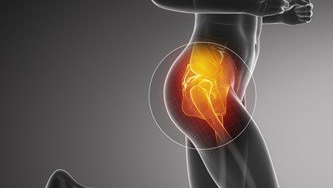
What is greater trochanter pain syndrome?
Greater trochanter pain syndrome (GTPS) is a common cause of lateral hip pain. It is more common in females between the ages of 40 and 60. GTPS is the cause of hip pain in 10–20% of patients presenting with hip pain.
What causes GTPS?
- Repetitive activity.
- Mechanical overload.
- Training errors: high-intensity training, high mileage, running on an asymmetrical surface, cambered road.
- Sedentary lifestyle.
- Scoliosis.
- Obesity.
- Uneven leg length.
- It is believed that the tendinopathy is brought about by repetitive microtrauma, especially when an abnormal pelvic width is present.
Signs and Symptoms:
- Lateral hip pain that may radiate to the lateral thigh and buttocks and occasionally to the lateral knee.
- Pain may be worsened by certain hip movements (hip abduction and external rotation).
- Tenderness on the greater trochanter/lateral hip.
- Pain when lying on the side affected, prolonged sitting, sitting with legs crossed.
- Pain with activities such as walking, climbing stairs, standing and running.
How is it diagnosed?
GTPS is a clinical diagnosis. This means that the diagnosis is based on the medical history as well as signs and symptoms. The clinician conducts a physical examination which includes some maneuvers or tests. Sometimes, the clinician may need to order other imaging studies such as MRI of the hip or lumbar spine, Ultrasound or x-rays if there is a need to rule out other medical condition/s.
How is it treated?
- Anti-inflammatory medication, ice, rest.
- Physical therapy.
- Avoidance of certain activities that may be aggravating the condition.
- Weight loss.
- Load modification and optimization of biomechanics.
- Shock wave therapy.
- Therapeutic ultrasound.
- Corticosteroid injection.
If conservative management fails, then surgery may be an option. Surgery may involve lengthening or release of the ITB and fascia lata, gluteal tendon tear repair, minimally invasive endoscopic bursectomy, or open reduction trochanteric osteotomy.